

Introduction
Automating PDF generation within workflow platforms like Make can significantly enhance business efficiency by reducing manual tasks and errors. This guide will explore how to integrate Make with pdf noodle, a no-code PDF builder, to automate PDF creation effectively.
For businesses looking to streamline document workflows, integrating Make and pdf noodle offers a powerful solution. By automating PDF generation, companies can focus on strategic priorities while ensuring consistent and professional document output.
Let’s dive into how Make and pdf noodle can transform your PDF automation workflows.

What is Make?
Make is a robust workflow automation platform that integrates disparate applications without extensive coding.
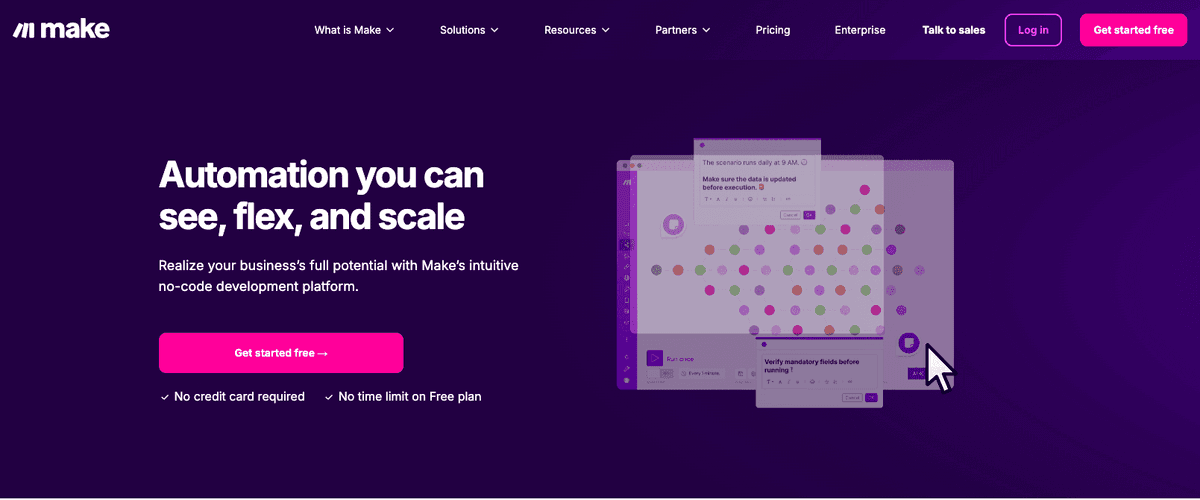
Its intuitive yet flexible interface allows users to orchestrate complex tasks into manageable steps, making it suitable for both novices and experienced automation specialists.
Building workflows in Make—called scenarios—involves creating visual automation chains using its drag-and-drop interface. Start by selecting a trigger, such as a new form submission or database update, then add actions like connecting to pdf noodle to generate PDFs. Map data between modules to customize outputs, and test the scenario to ensure seamless execution. This no-code approach allows users to design complex workflows while maintaining flexibility and precision.
To explore how pdf noodle integrates seamlessly with Make, you can visit [pdf noodle’s integration page on Make’s marketplace](https://www.make.com/en/integrations/pdf noodle).
What is pdf noodle?
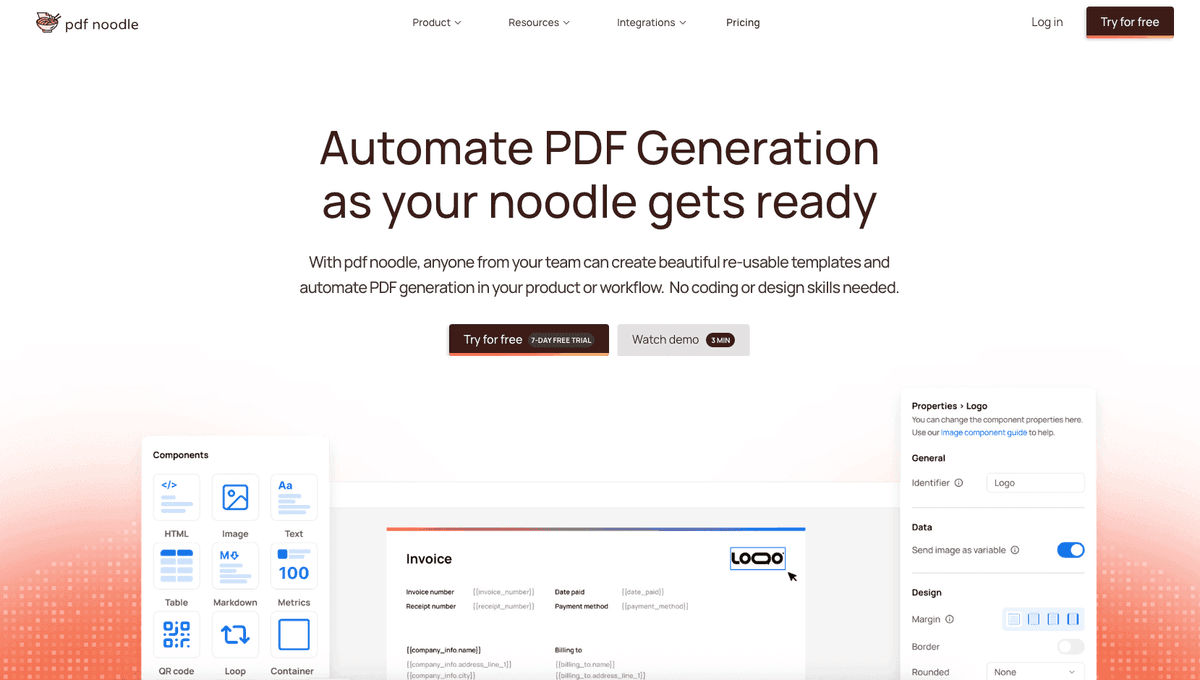
pdf noodle is a third-party pdf generation API. You can create beautiful reports with flexible layouts and complex components with an easy-to-use opinionated no-code builder. Let the AI do the heavy lifting by generating your templates, creating custom components or even filling all the variables for you.
With native Make integration, pdf noodle transforms raw data into structured, professional PDFs—whether it’s invoices, reports, contracts, or lead-generation documents. You can handle high-volume PDF generation using our native integration inside Make's scenario (workflow).
Automating PDF Generation with Make and pdf noodle
To automate PDF generation in Make, you’ll need access to both pdf noodle and Make platforms to leverage the PDF Generation API within your workflows.
In this section, we’ll guide you through the step-by-step process of setting up and automating PDF creation. Let’s get started!
Creating Your PDF Template with pdf noodle
Here's the simple steps to generate your first pdf template on pdf noodle:
-
Create your account on our sign-up page.
-
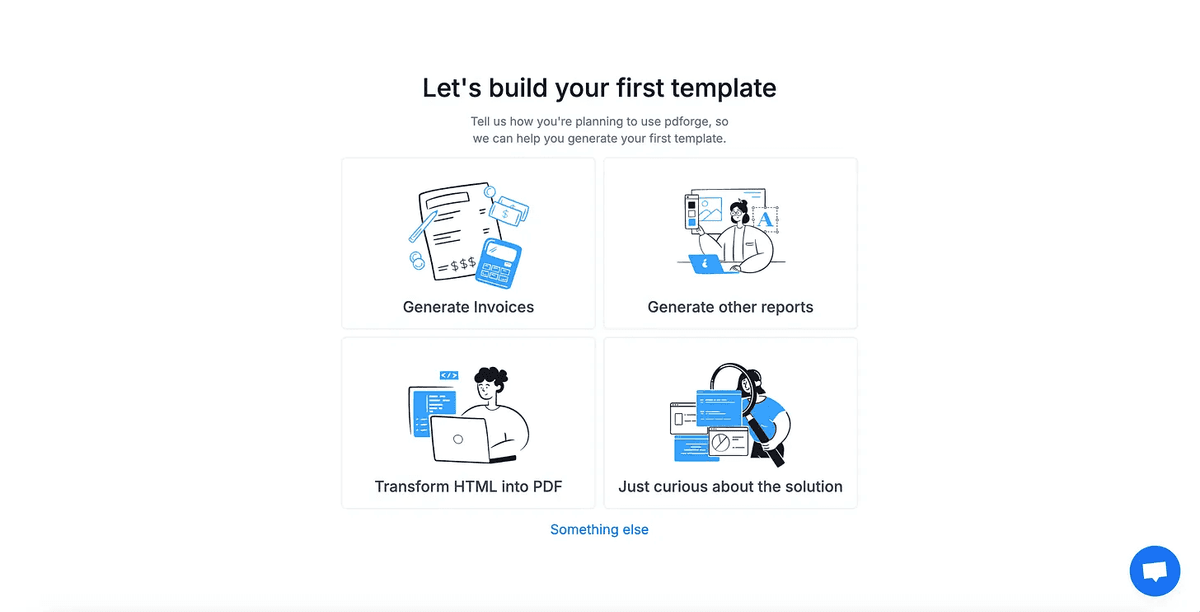
Select the type of template you're trying to create
-
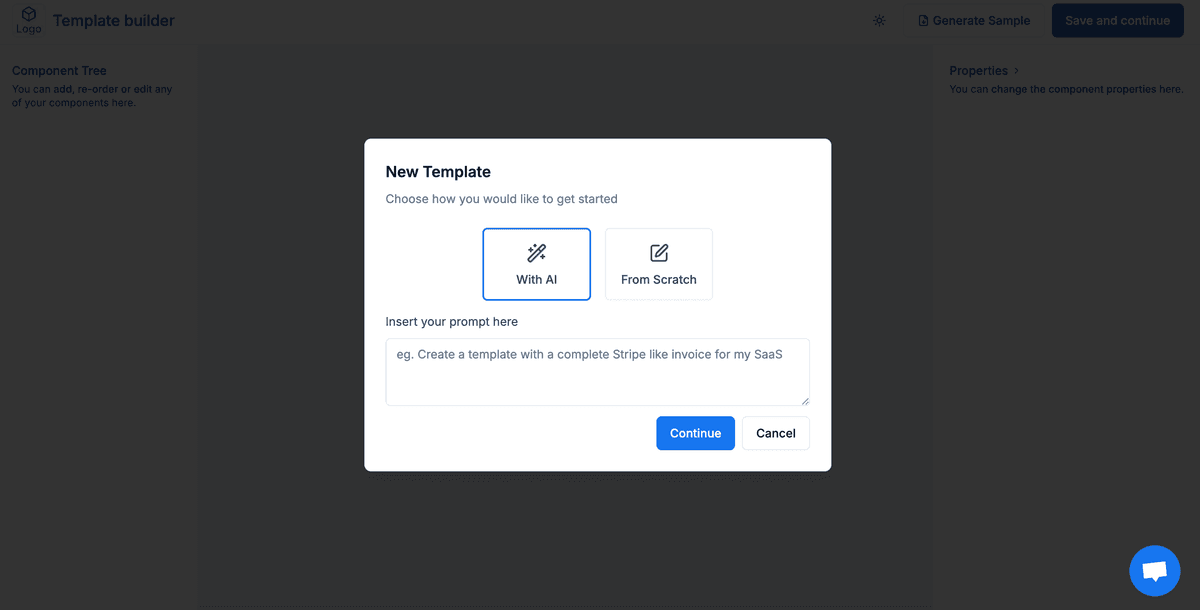
Use our AI Agents to create your first template.
-
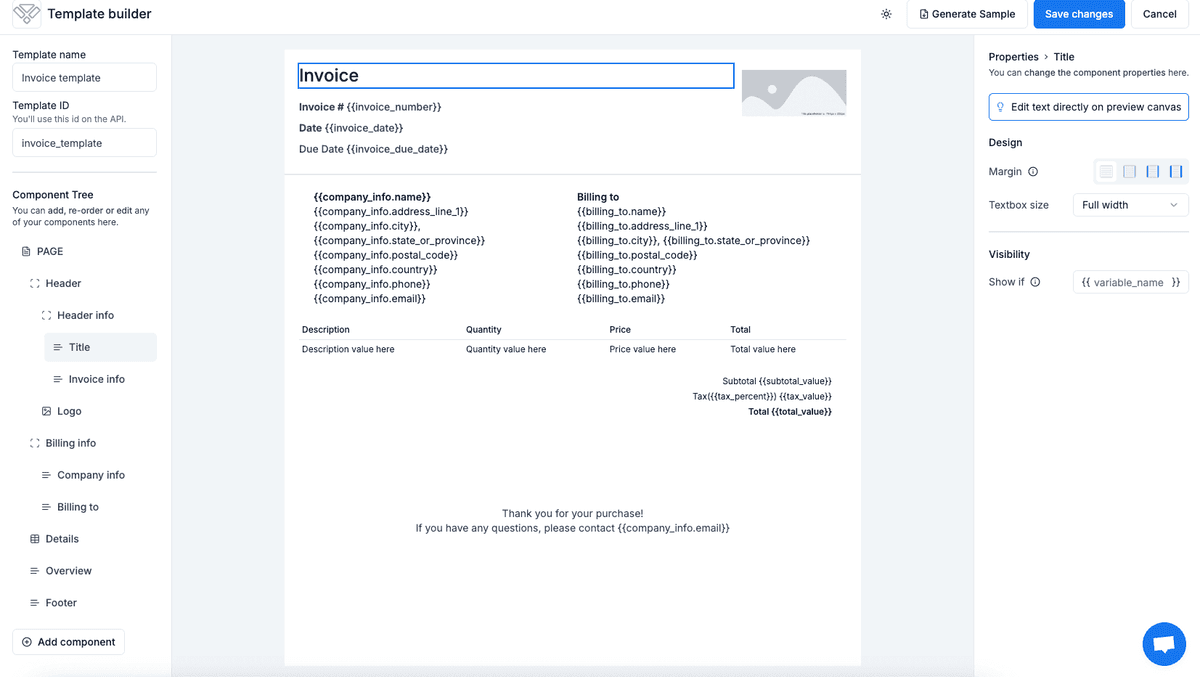
Edit your template on our no-code builder
-
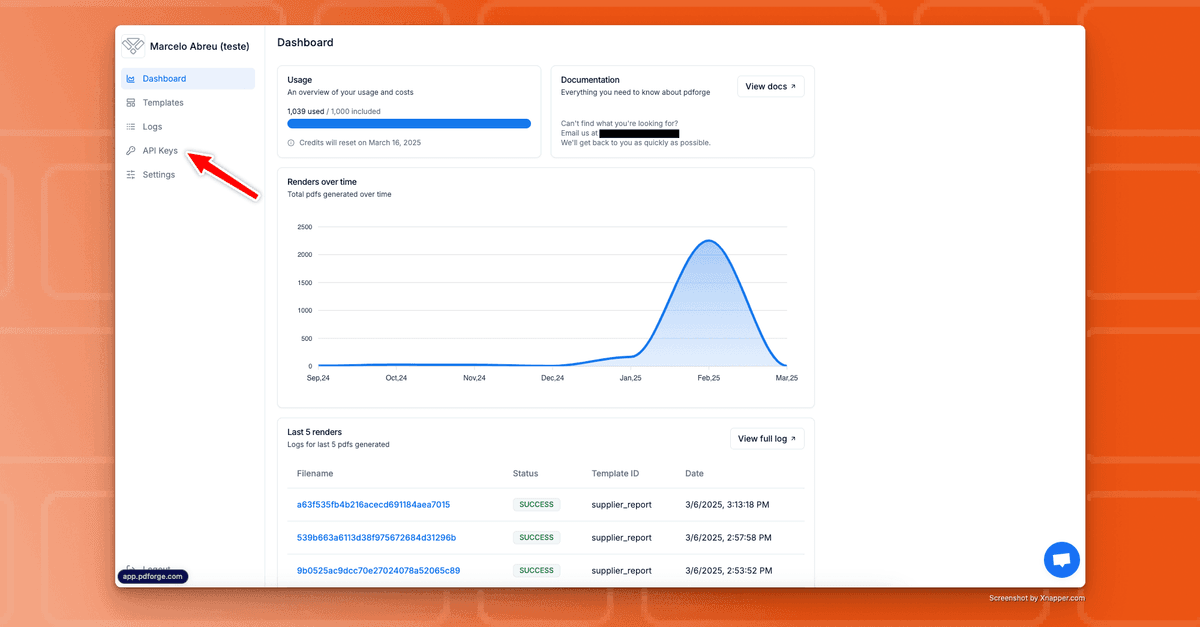
Use our 7-day free trial to access your API KEY on the Dashboard
Using Official pdf noodle Integration in Make
The oficial pdf noodle integration is the easiest way to integrate pdf noodle with Make. It's easy to use and you can do so following these steps:
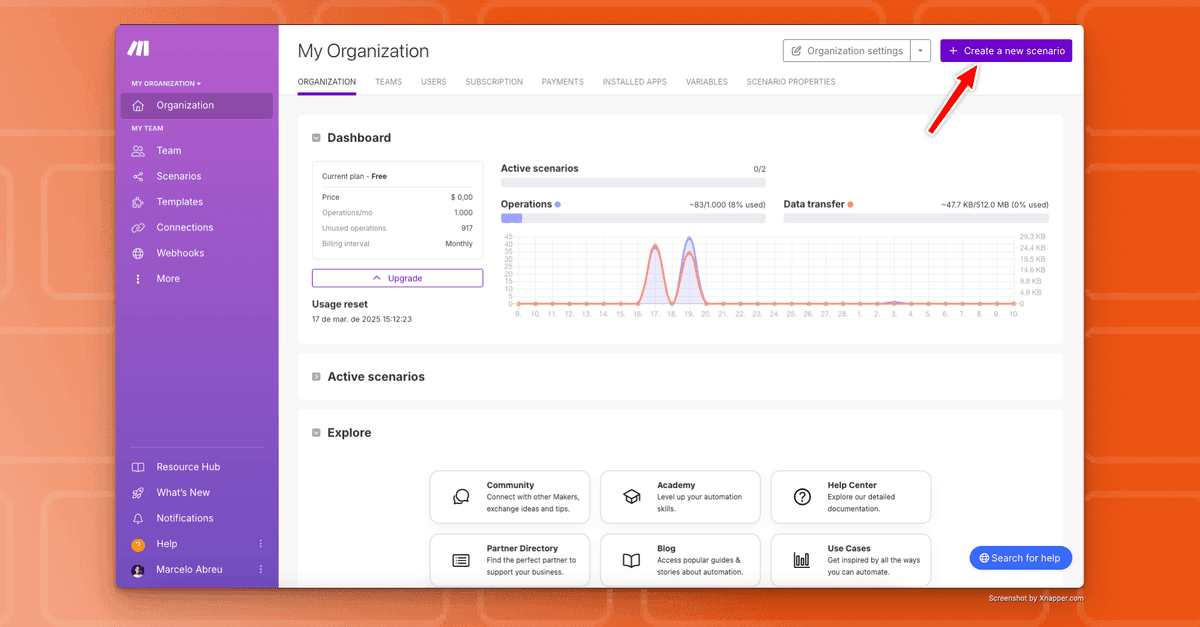
1. Create a New Scenario: Start a new automation scenario in Make.
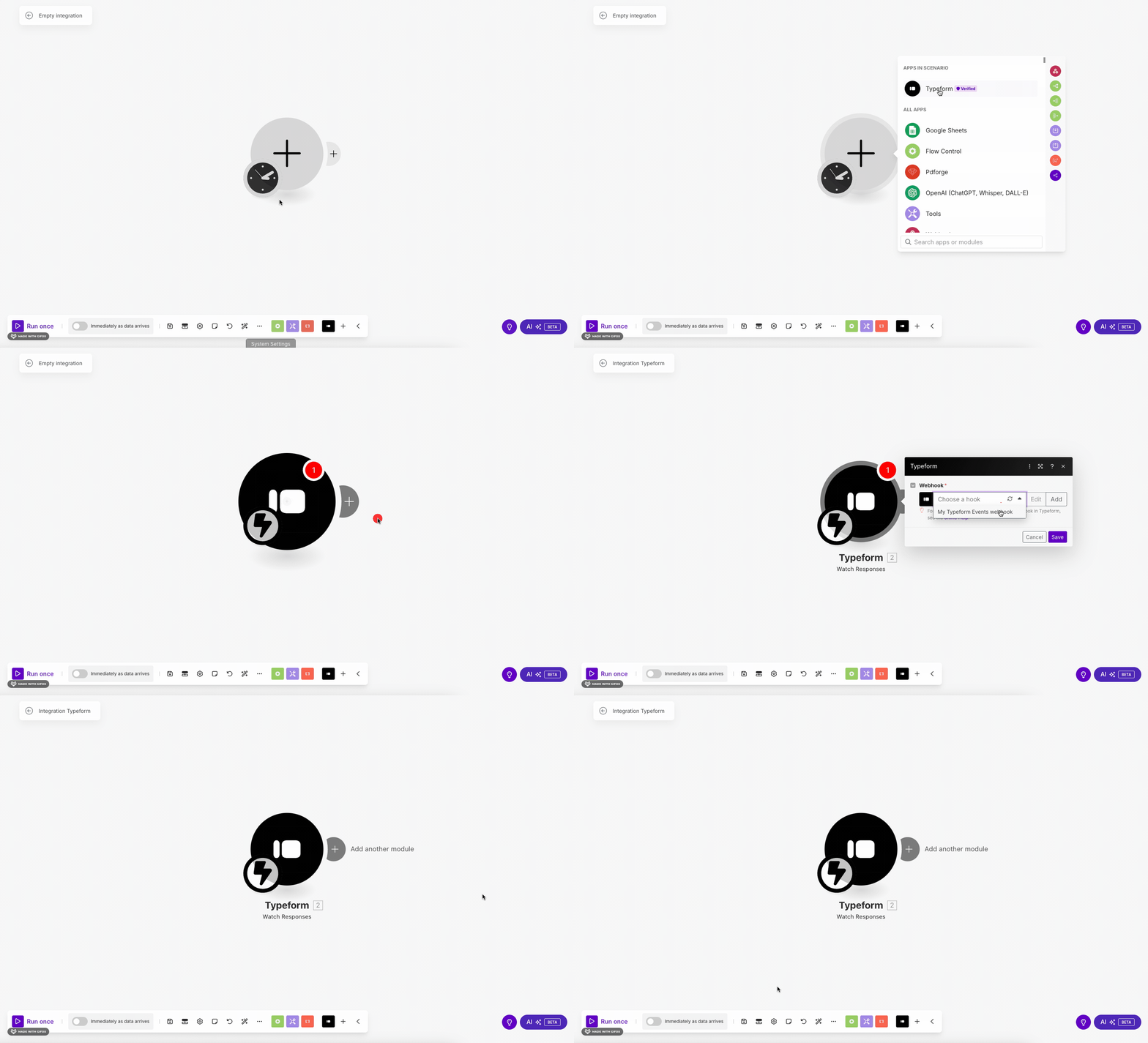
2. Choose a Trigger: Select a trigger, such as a form submission or database update.
3. Add pdf noodle Module: Search for pdf noodle in Make’s module directory and add it.
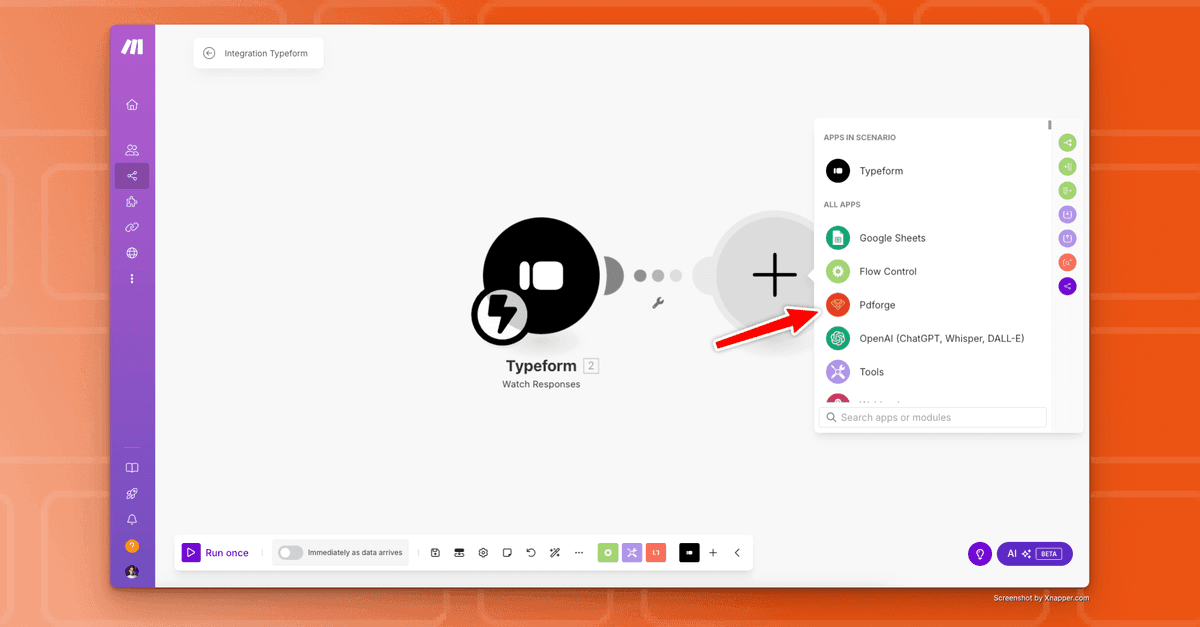
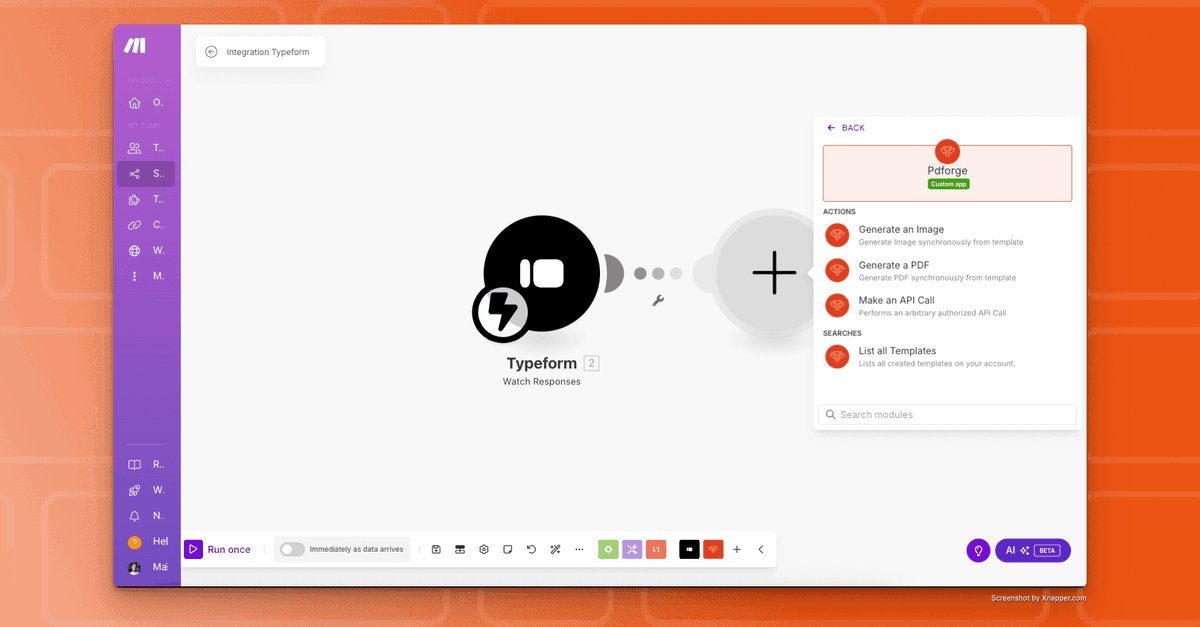
4. Select Action: Choose “Generate PDF” as the action event.
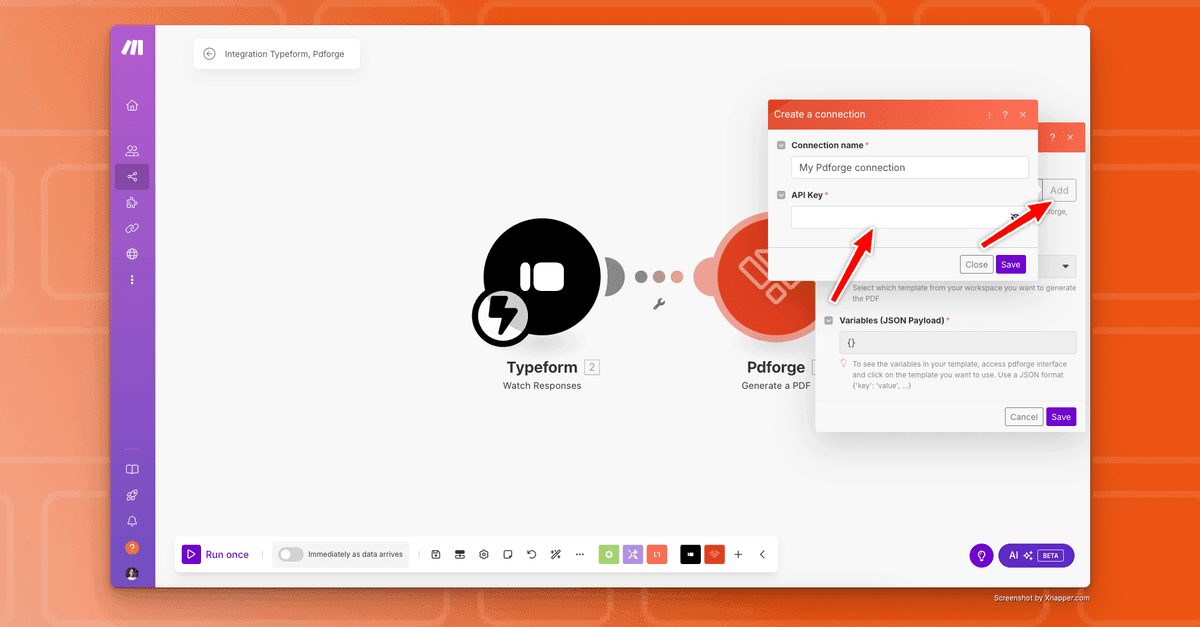
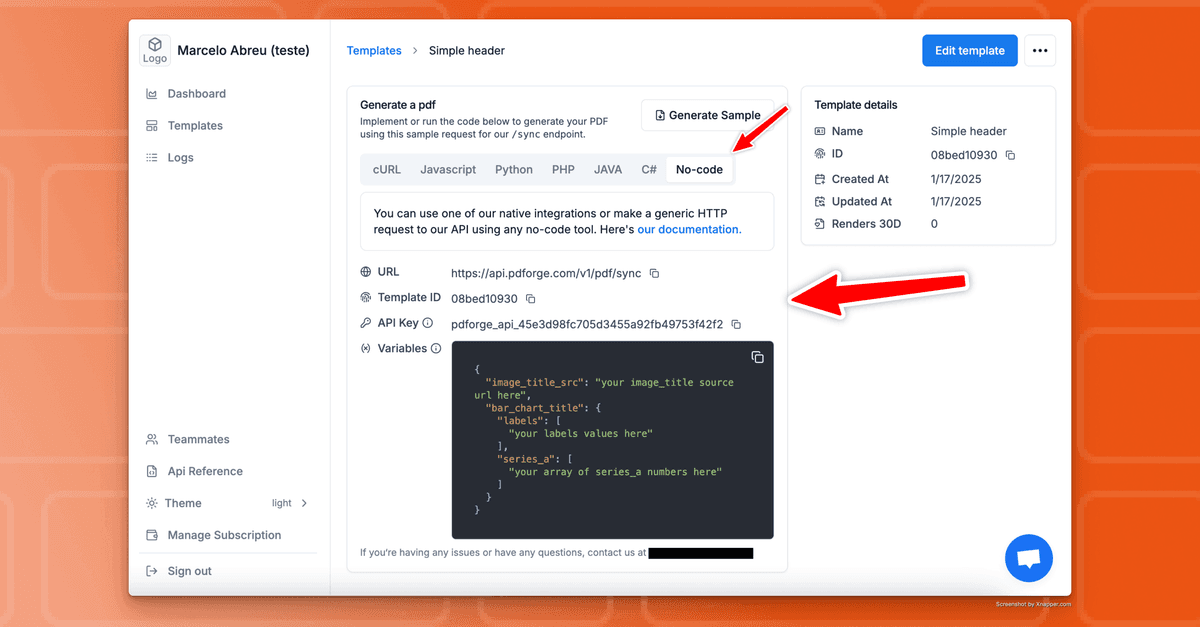
5. Connect pdf noodle Account: Use your API key to connect pdf noodle.
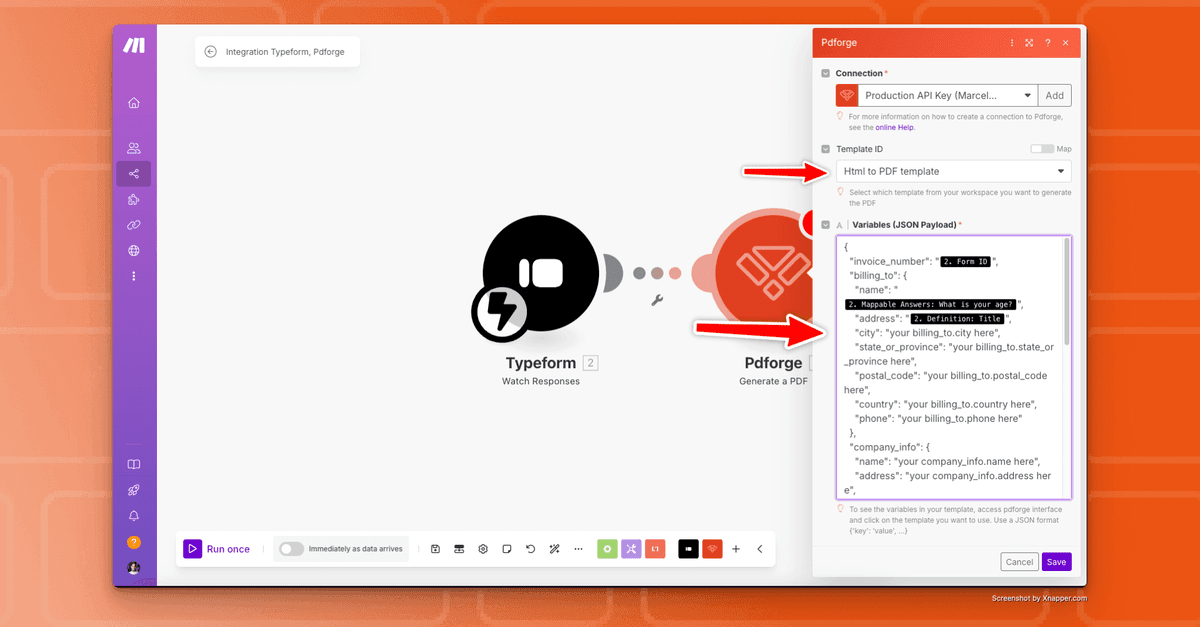
6. Select your template and map variables: Link form fields or database columns to pdf noodle variables, as a JSON text
7. Run the Scenario: Execute the scenario to generate and store or deliver the PDF.
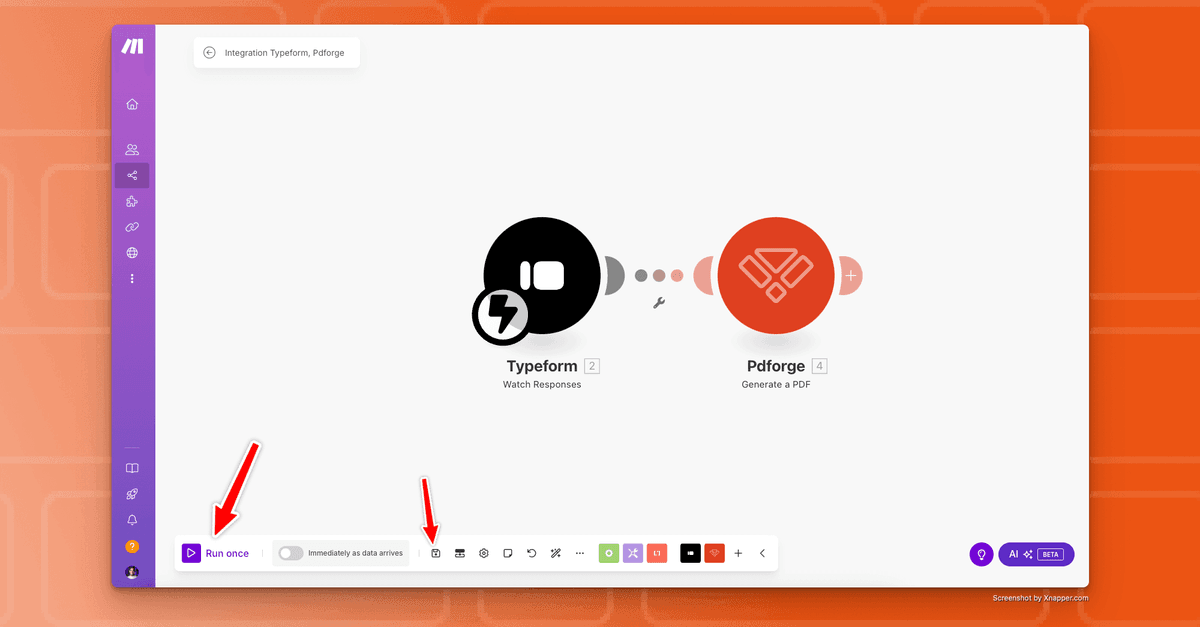
This plug-and-play method simplifies setup and preserves a low-code ethos.
You can get all these information on the template visualization, on the "No-Code" tab, inside pdf noodle's application:
Connecting Other Apps to Your Make Workflow
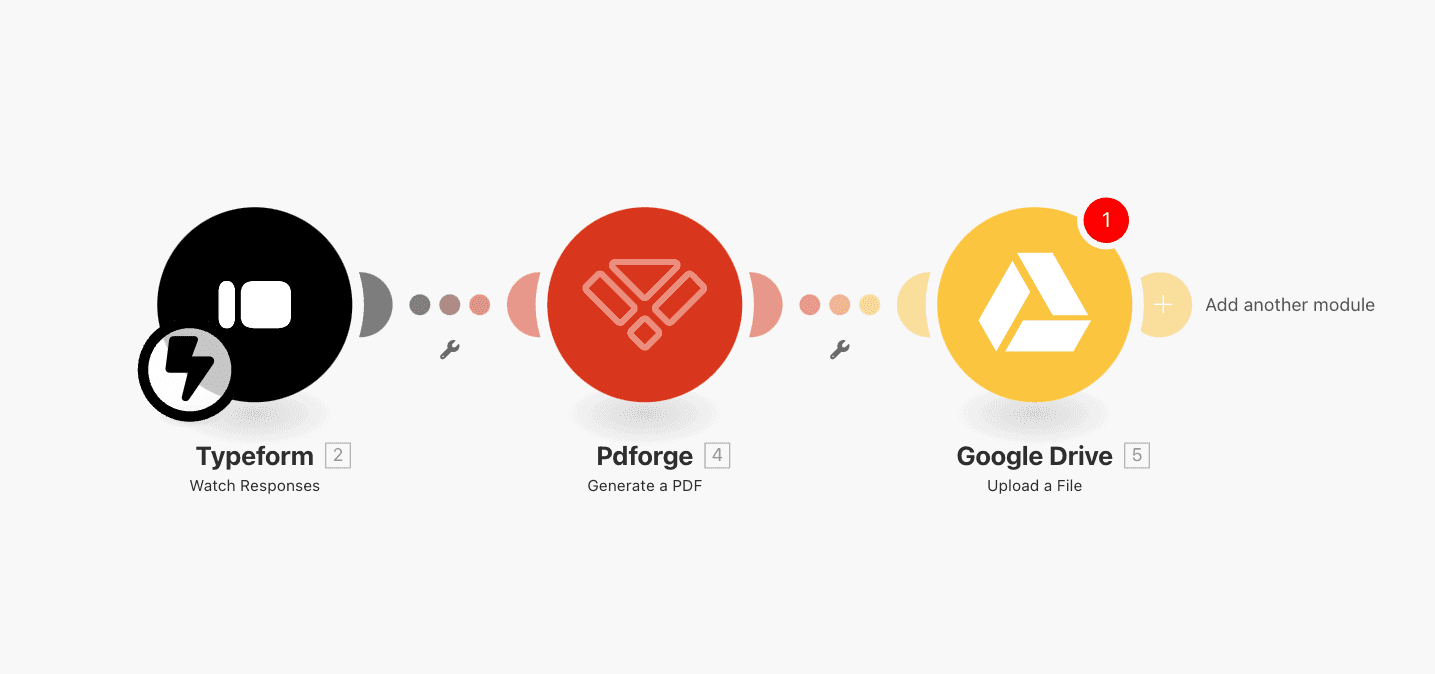
Once the pdf noodle app is configured, additional apps can be linked to fully automate document workflows:
• Trigger nodes: Start the process when a new form submission, CRM update, or e-commerce transaction occurs.
• Storage nodes: Save the generated PDF to Google Drive, AWS S3, or a local server.
• Email nodes: Automatically send PDFs as email attachments to customers, employees, or leads.
• CRM nodes: Attach generated PDFs to client records in HubSpot, Salesforce, or Airtable.
By chaining multiple apps, entire document lifecycles become automated from initial input to final delivery.
Use Case Examples for PDF Generation in Make
Generating Invoices with Make
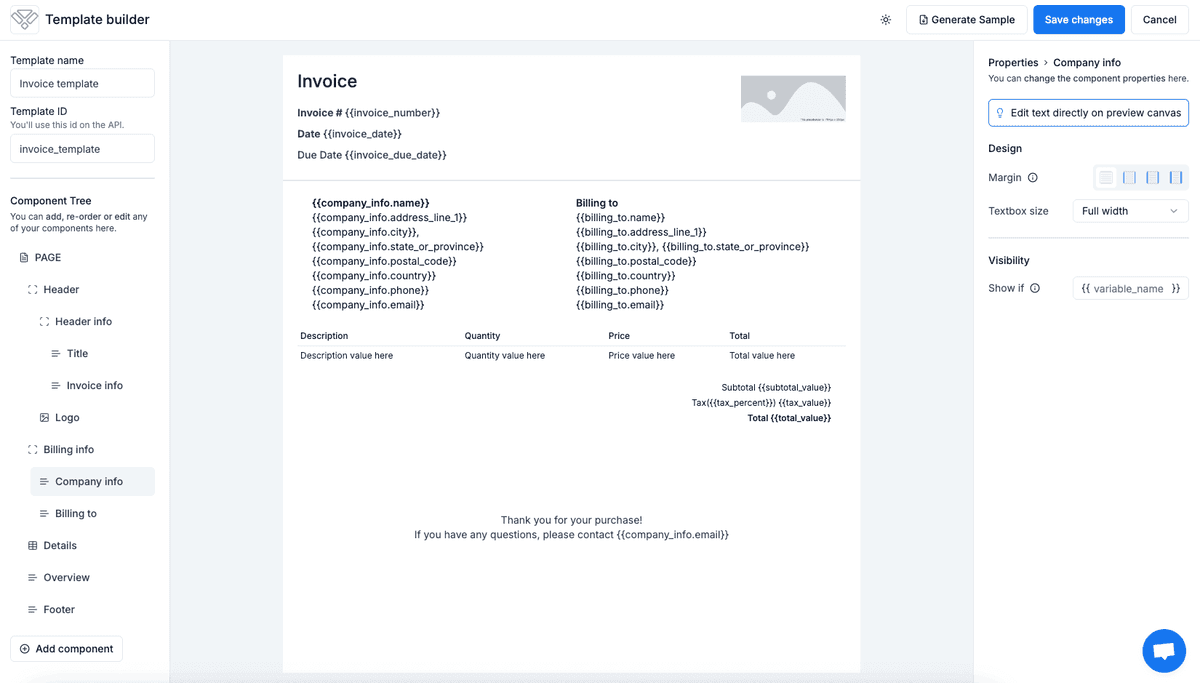
Automating invoice generation eliminates manual processing delays. When an order is placed:
- Make grabs new order data from Stripe or Shopify.
- pdf noodle compiles a crisp invoice.
- The invoice is saved or emailed to the client.
This reduces human errors, speeds up invoicing, and ensures compliance with financial reporting standards.
Generating Weekly Reports with Make
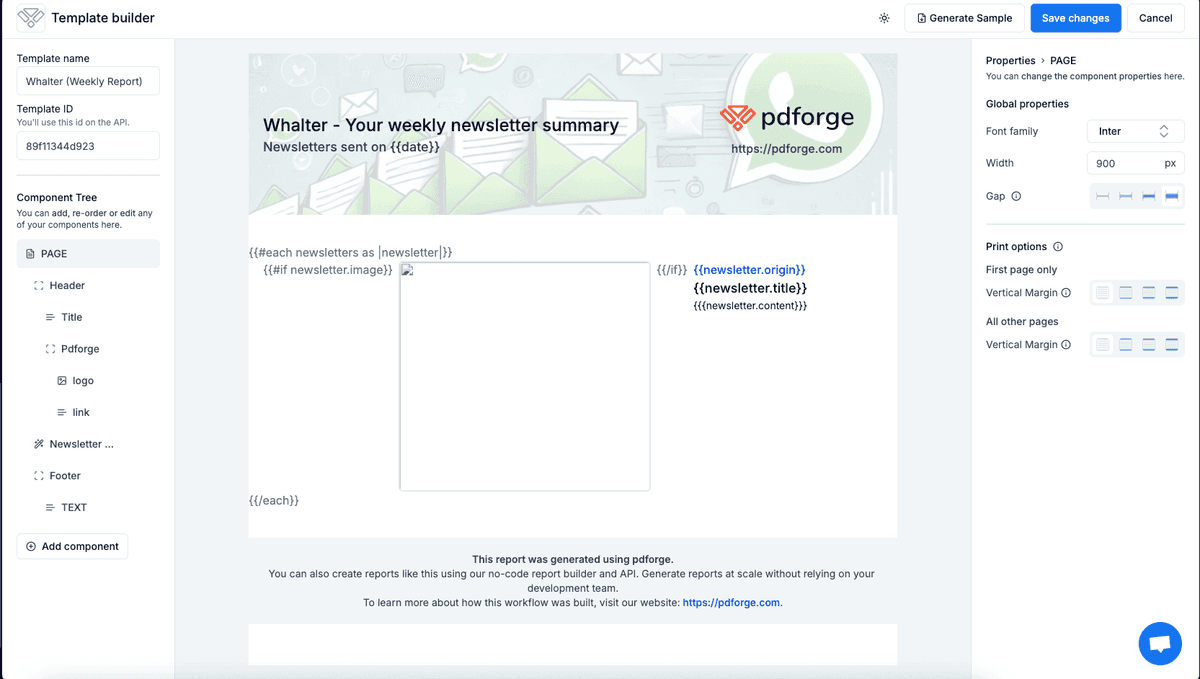
Instead of compiling data manually, Make can generate automated reports by:
1. Make harvests data from analytics tools or databases. (Google Analytics, PostgreSQL, etc.).
2. pdf noodle arranges the data into a modern PDF format.
3. The document is auto-distributed to stakeholders via email or Slack.
This automation ensures that reports are delivered on time, consistently, and formatted professionally.
Generating Value to Incoming Leads with Make
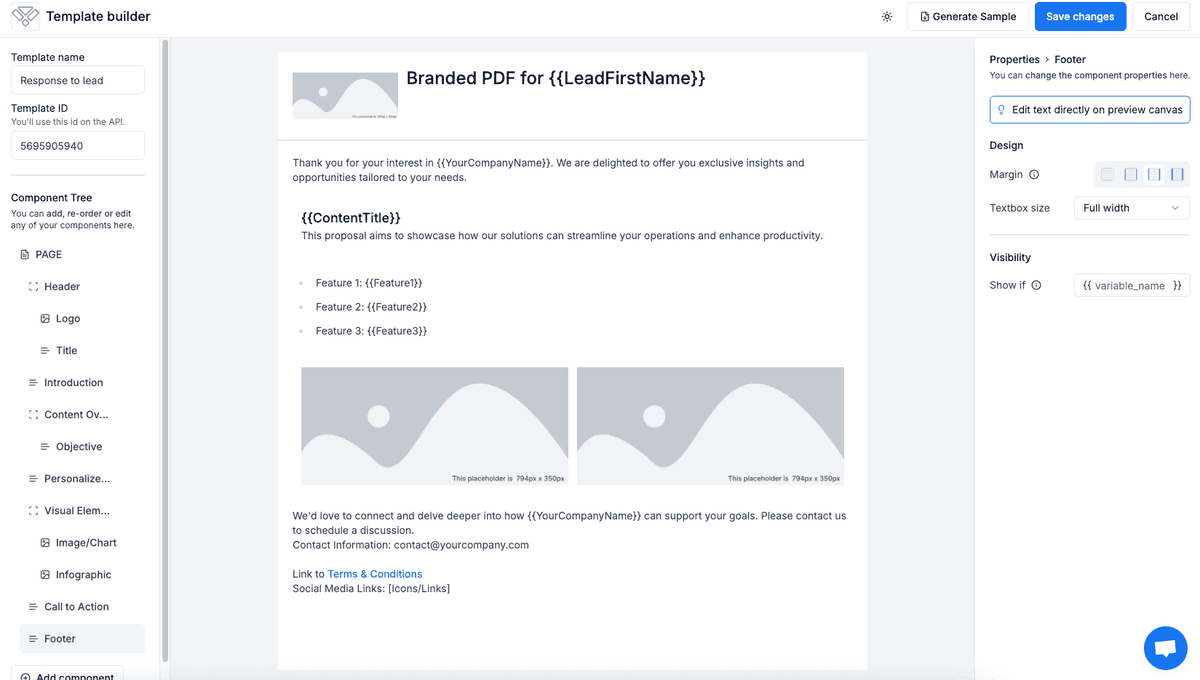
PDF generation can be used as a lead magnet to engage potential customers:
1. A lead submits a form on a website.
2. Make detects fresh leads from a marketing form.
3. Data moves to pdf noodle for a personalized PDF offer, proposal or eBook.
4. The PDF is emailed to the lead, enhancing engagement and conversion rates.
Potential clients receive immediate, professional responses that amplify engagement.
Conclusion
Automating PDF generation with Make and pdf noodle accelerates workflows, reduces manual labor, and prevents errors. Whether you need invoices, reports, or lead magnets, this integration saves time and ensures consistency. Make’s no-code setup makes it easy to connect pdf noodle without technical complexity, allowing you to focus on strategic priorities.
In conclusion, integrating Make and pdf noodle is a straightforward process that can transform how businesses manage their PDF workflows. With the step-by-step guide provided, you can easily set up this integration and start automating your document creation today.
If you’re still creating PDFs manually, now is the time to upgrade. Automate your document workflows with Make and pdf noodle and focus your energy on what truly matters for your company.