

Introduction to Puppeteer-Ruby for HTML to PDF Conversion
Puppeteer-Ruby is a flexible library for generating PDFs from HTML using Chromium, much like the more popular Grover gem.
Both libraries utilize a headless Chrome environment for rendering HTML, but Puppeteer-Ruby provides a versatile option for developers who prefer direct integration with Puppeteer’s Node.js API. This makes it ideal for SaaS applications needing precise and styled PDF outputs.
You can check the documentation here.
Comparison Between Puppeteer-Ruby and Other Ruby PDF Libraries
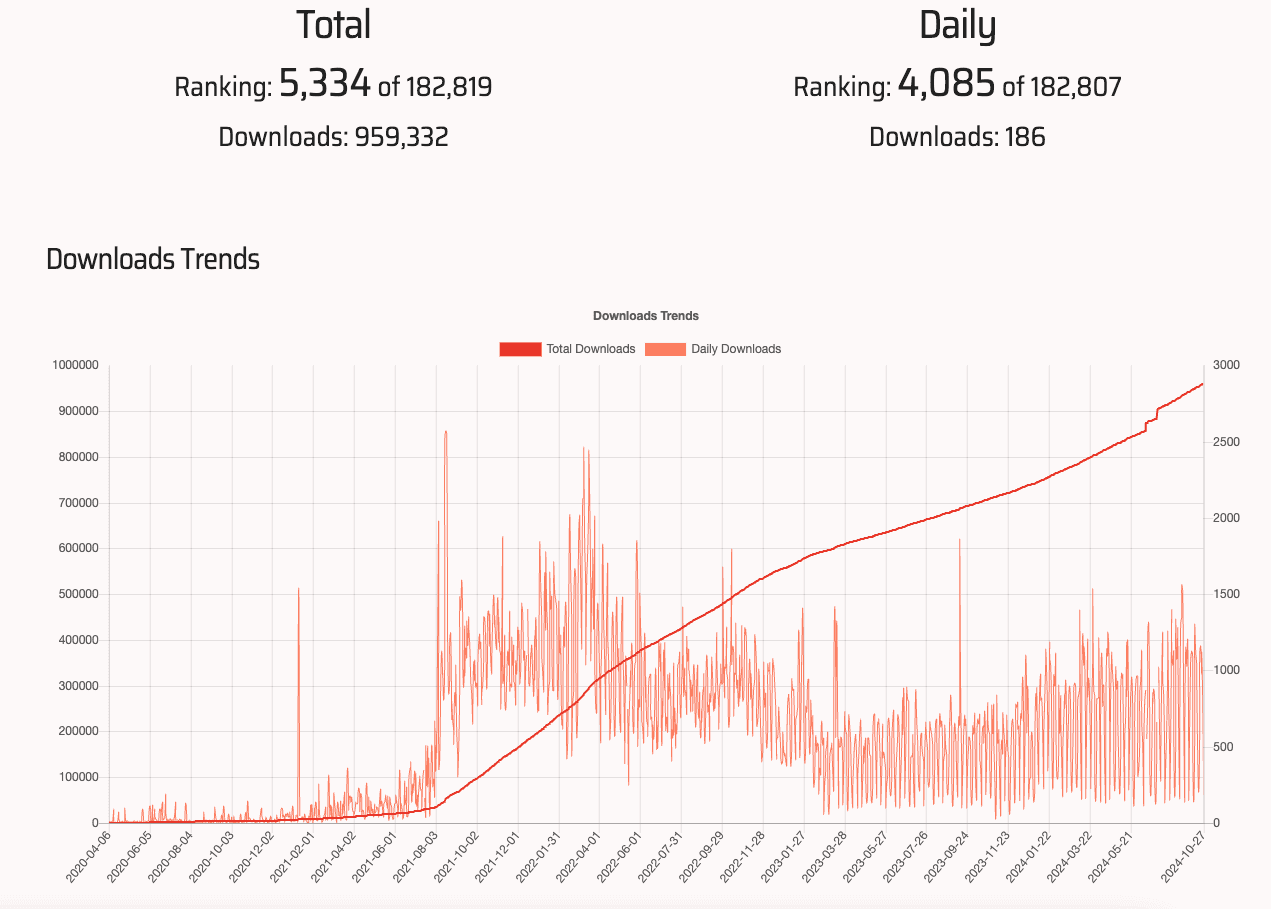
Ruby offers a range of PDF generation libraries, each with unique features:
- WickedPDF and PDFKit - Rely on server-rendered HTML and inline CSS for PDF generation, offering basic support for styling but may struggle with complex or interactive layouts. These libraries are better for simpler documents.
- Prawn and HexaPDF- Focuses on manual layout control without HTML-to-PDF capabilities. It’s a powerful choice for custom-built PDFs but lacks native HTML rendering, making it less ideal for styling-heavy documents.
- Grover - A widely-adopted alternative to Puppeteer-Ruby, Grover also uses Chromium, offering similar high-fidelity HTML and CSS rendering in PDFs with broader Rails integration.
If you want to dig deeper on a comparison between Puppeteer-ruby and other Ruby pdf gems, we also have a detailed article with a full comparison between the best PDF gems for Ruby on rails in 2025.
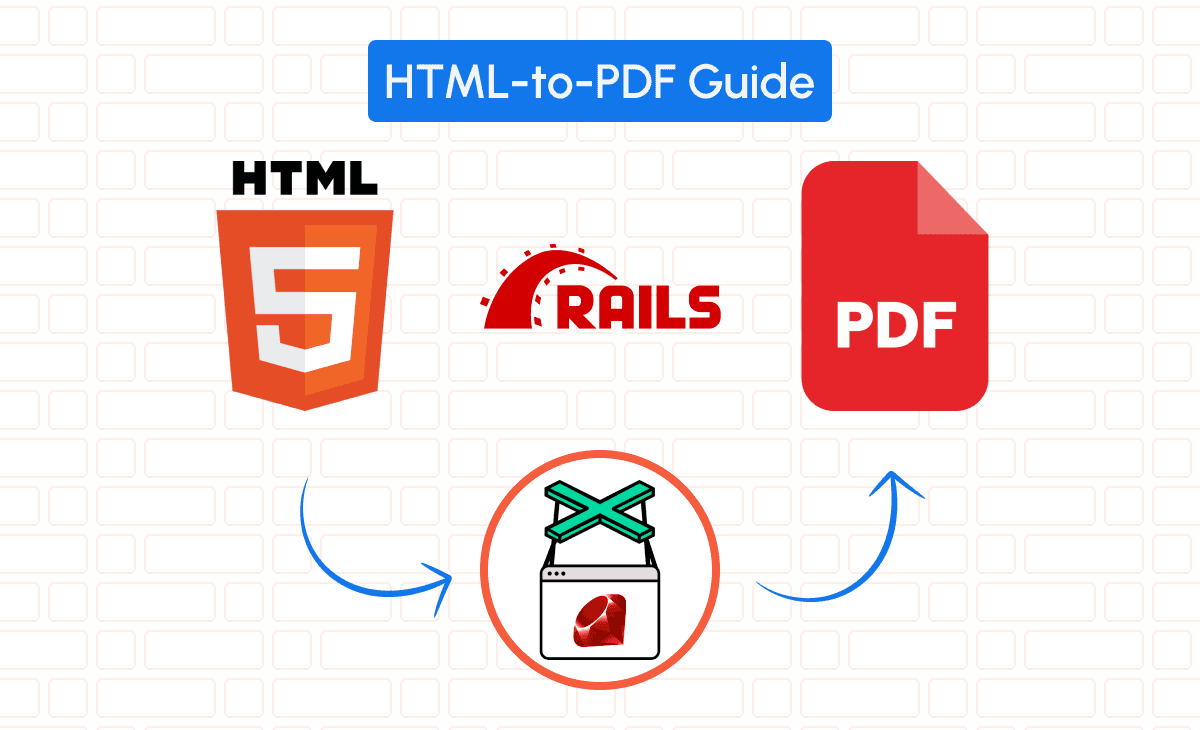
Setting Up the Puppeteer-Ruby Environment
Prerequisites for Puppeteer-Ruby Installation
Start by installing Node.js, Puppeteer, and the Puppeteer-Ruby gem. Since Puppeteer operates within a Node.js environment, having Node installed is essential.
Install Node.js:
$ node -v

# Install Node.js if not installed
$ sudo apt install nodejs
Then, install Puppeteer-Ruby:
$ gem install puppeteer-rubyInstalling Puppeteer and Setting Up Node in Ruby Projects
Inside your project, initialize Node.js and install Puppeteer. Below is an example structure, which includes folders for controllers, views, and PDFs for easier organization.
$ mkdir pdf_project && cd pdf_project
$ npm init -y
$ npm install puppeteer
For a Rails project, this setup might look like this:
pdf_project/
├── Gemfile
├── app/
│   ├── controllers/
│   │   └── pdf_controller.rb
│   ├── views/
│   │   └── pdf/
│   │       └── invoice.html.erb
├── pdfs/
└── node_modules/
Integrating Puppeteer-Ruby with Rails
Within Rails, integrate Puppeteer-Ruby by rendering a PDF directly from your HTML views. Rails makes it easy to pass dynamic data into these templates, allowing each PDF to be customized per user or request.
# Gemfile
gem 'puppeteer-ruby'

# Install dependencies
$ bundle install
In app/controllers/pdf_controller.rb, use Puppeteer-Ruby to generate a PDF:
class PdfController < ApplicationController
  require 'puppeteer'
  def generate_invoice
    customer = Customer.find(params[:id]) # Dynamic data from Rails model
    Puppeteer.launch do |browser|
      page = browser.new_page
      # Render Rails template as HTML and load it into Puppeteer
      html = render_to_string(template: 'pdf/invoice', locals: { customer: customer })
      page.set_content(html)
      # Optionally, save directly as a file or return as a buffer
      pdf_data = page.pdf(format: 'A4')
      # Alternatives to saving in memory
      send_data pdf_data, filename: "invoice_#{customer.id}.pdf", type: 'application/pdf', disposition: 'inline'
    end
  end
end
The send_data method here streams the PDF as a file to the user, avoiding the need to save it to disk. By using a buffer directly, it conserves memory and allows for faster responses, ideal for applications handling real-time PDF requests.
Converting HTML to PDF with Puppeteer-Ruby
Structuring HTML for PDF Rendering
Using Rails variables within the HTML template allows dynamic data to flow easily. Here’s an example invoice template with embedded Rails variables:
<!-- app/views/pdf/invoice.html.erb -->
<!DOCTYPE html>
<html lang="en">
<head>
  <meta charset="UTF-8">
  <title>Invoice</title>
  <style>
    body { font-family: Arial, sans-serif; }
    .invoice-box { max-width: 800px; margin: auto; padding: 30px; border: 1px solid #eee; }
    .header, .footer { text-align: center; margin: 20px 0; }
  </style>
</head>
<body>
  <div class="invoice-box">
    <h1>Invoice for <%= customer.name %></h1>
    <p>Date: <%= Time.now.strftime("%d/%m/%Y") %></p>
    <p>Customer ID: <%= customer.id %></p>
    <p>Customer Email: <%= customer.email %></p>
    <table>
      <tr><th>Item</th><th>Price</th></tr>
      <% customer.orders.each do |order| %>
        <tr><td><%= order.item_name %></td><td>$<%= order.price %></td></tr>
      <% end %>
      <tr><td>Total</td><td>$<%= customer.orders.sum(:price) %></td></tr>
    </table>
  </div>
</body>
</html>
Adding Page Numbers, Headers, and Footers
You can add headers, footers, and page numbers by configuring them within page.pdf options:
page.pdf(
  path: "pdfs/invoice.pdf",
  format: 'A4',
  display_header_footer: true,
  header_template: "<span style='font-size:12px; margin-left: 20px;'>Company Header</span>",
  footer_template: "<span style='font-size:12px; margin-left: 20px;'>Page <span class='pageNumber'></span> of <span class='totalPages'></span></span>"
)
Error Handling and Troubleshooting Common Issues in Puppeteer-Ruby
To troubleshoot issues with Puppeteer-Ruby, use debugging options like disabling headless mode or adding event listeners for console logs. This can provide insights into asset loading or rendering issues.
Puppeteer.launch(headless: false) do |browser|
  page = browser.new_page
  page.goto("file://#{Rails.root}/app/views/pdf/invoice.html.erb")

  # Enable console logging
  page.on('console') { |msg| puts "PAGE LOG: #{msg.text}" }

  # Track network requests
  page.on('request') { |req| puts "Request: #{req.url}" }
  page.on('response') { |res| puts "Response: #{res.status}" }

  pdf_data = page.pdf(format: 'A4')
end
With these configurations, you can track requests, responses, and console messages, making it easier to identify issues with asset paths, variable rendering, or template accessibility.
Alternative: Convert HTML to PDF Using pdf noodle
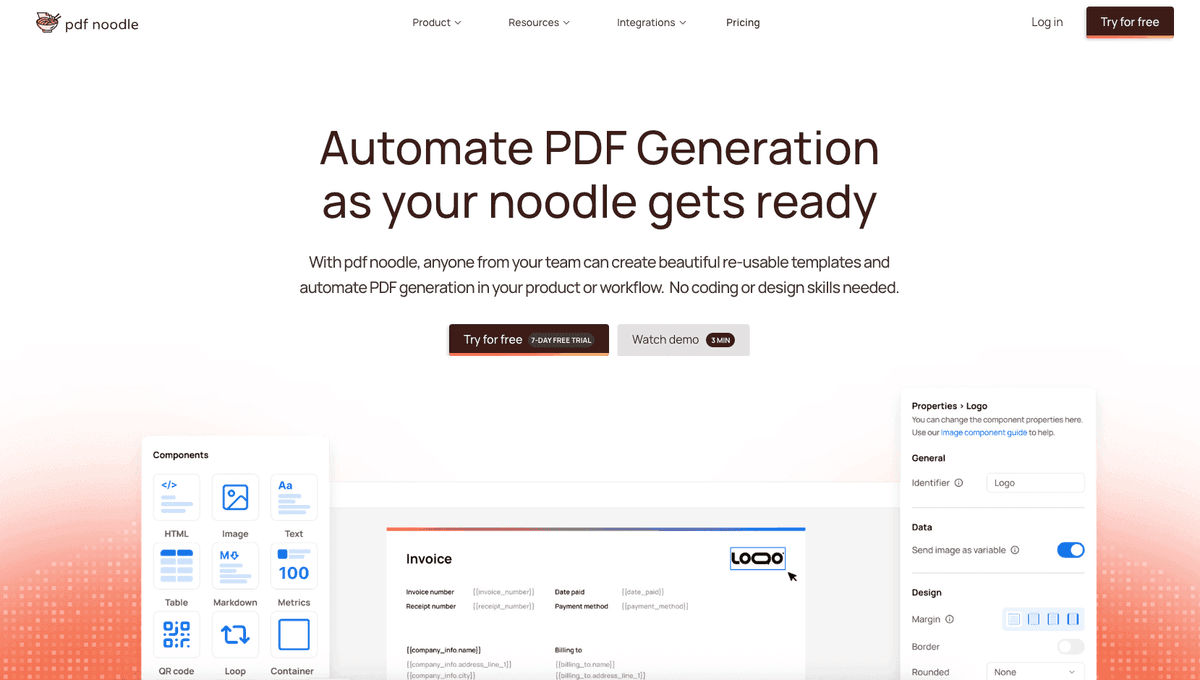
Managing HTML-to-PDF conversion at scale can quickly become a nightmare!
Especially in serverless environments where cold starts, memory limits, and headless browser quirks love to break at the worst possible time (we even wrote a full article about it). Add constant template iterations, version control headaches, and the need to support non-technical contributors, and suddenly your “simple PDF library” turns into an ongoing engineering project.
pdf noodle eliminates all of that.
Instead of maintaining brittle infrastructure or wrestling with outdated pdf libraries, pdf noodle gives you a battle-tested PDF generation API that just works!
Fast, scalable, and designed for both developers and non-developers. You send raw HTML or use our AI-powered template builder, and pdf noodle handles the rendering, scaling, optimization, and delivery so your team doesn’t have to.
Here's an example of a simple API request to generate your pixel-perfect PDF with just a few lines of code:
require 'net/http'
require 'json'
require 'uri'

class PdfApiService
  def self.generate_pdf(html_content)
    uri = URI("https://api.pdfnoodle.com/v1/html-to-pdf/sync")
    http = Net::HTTP.new(uri.host, uri.port)
    http.use_ssl = true
    request = Net::HTTP::Post.new(uri.path, {
      'Content-Type' => 'application/json',
      'Authorization' => "Bearer your-api-key"
    })
    request.body = {
      html: html_content
    }.to_json
    response = http.request(request)
    response.body if response.is_a?(Net::HTTPSuccess)
  end
end
pdf noodle also includes a powerful AI Agent that can generate PDF templates instantly, along with a modern editor for refining the design, also using AI, to match your brand. You don't need developing or design experience to quickly update layouts, adjust styling, and manage template versions.
Here’s a quick demo showing how it works:
You can create your account and design your first template without any upfront payment.
Conclusion
While Puppeteer-Ruby offers detailed, flexible HTML-to-PDF rendering, Grover remains a robust option for most Rails applications due to its simplicity and wider adoption. Puppeteer-Ruby suits more specialized applications where custom Node.js features or advanced debugging are required. For simpler projects, consider alternatives like WickedPDF or PDFKit.
If you don't want to waste time maintaining pdfs layouts and their infrastructure or if you don't want to keep track of best practices to generate PDFs at scale, third-party PDF APIs like pdf noodle will save you hours of work and deliver a high quality pdf layout.
Try it yourself: Need a quick conversion without writing code? Use our HTML to PDF converter — no signup required.